
Living Systems
What is a Living System?
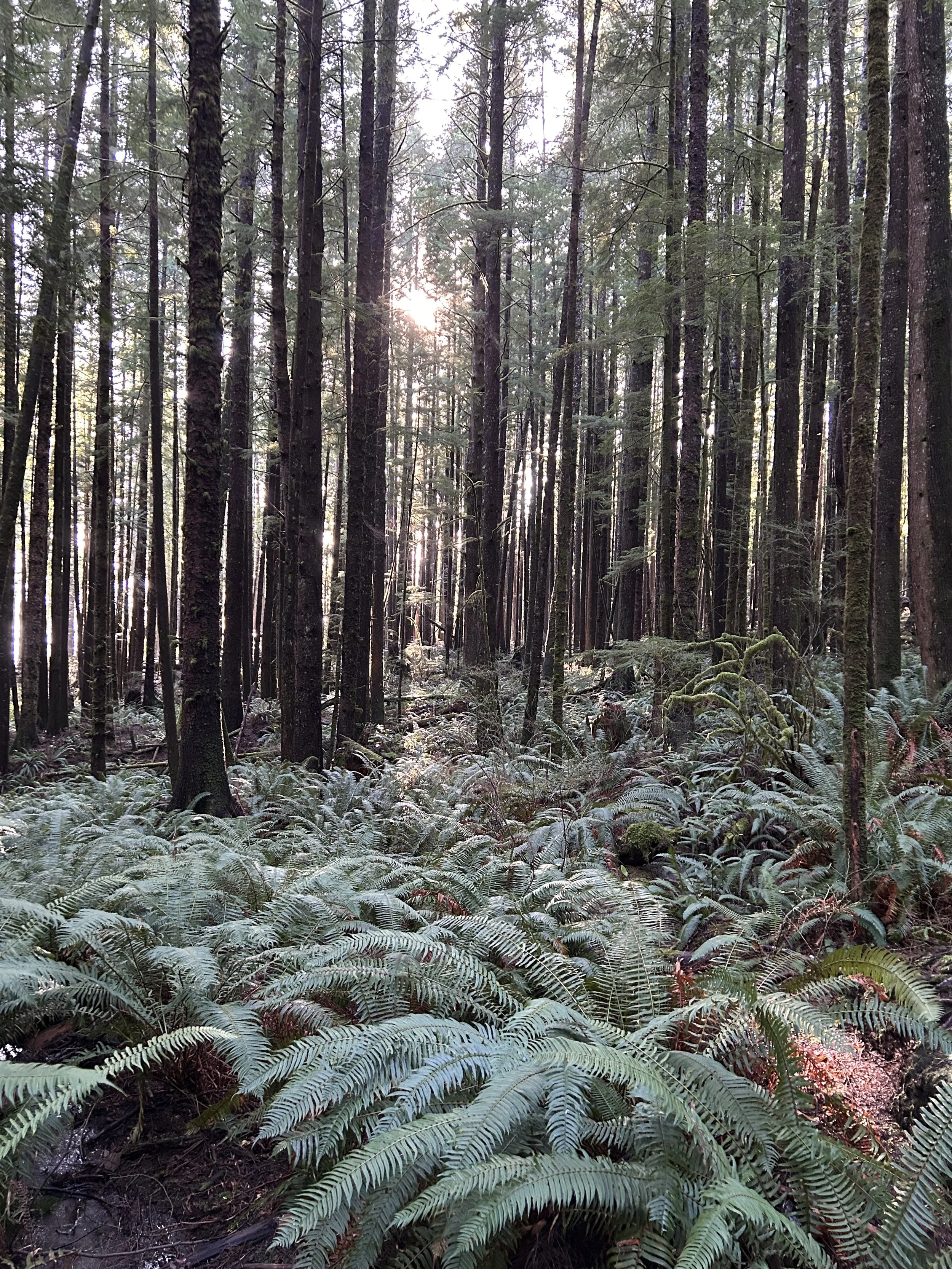
A living system is a group of interconnected parts that constantly interact, adapt, and evolve together to sustain the whole and each other. The nature of the relationships, more than the parts, becomes important. For example, a forest is a living system in which trees, plants, soil, microorganisms, water, animals, and climate interact to keep the ecosystem functional and responsive to change. Continually creating the conditions for more life. Through close observation of the natural world, we have learned that organisms and ecosystems that evolve efficiently are resilient because they can adapt to change. When conditions shift, those that can adjust their traits, behaviours, and relationships are more likely to survive and even flourish. Trading on their complex network of relationships and the ability to evolve equips them to overcome ambiguity, uncertainty, and disruption over time.
Communities (of all sizes, operating at nested scales) and organizations are also living systems and can benefit in the same ways when viewed through this paradigm. Communities and organizations pass the simple test for the presence of a living system: we cannot switch them off and then turn them back on again (meaning they are alive), and if we cut them in half, we do not get two organizations or communities (meaning they are a system), we get broken systems. And just as a bunch of planted trees does not make a forest, a subdivision of houses (even ‘green’ houses) does not make a community.
Key principles for urban revitalization using a Living Systems approach:
The Meta-Principle: Humility
You don't revitalize a city. You create conditions where the city can revitalize itself.
1. The City Has Its Own Intelligence
Living systems aren't machines to be fixed—they have inherent wisdom and self-organizing capacity.
2. Information Must Flow Throughout the System
Living organisms die when circulation stops. Cities decline when feedback between parts breaks down.
3. Start Small, Learn Fast, Iterate
Living systems grow through experimentation, not master plans.
4. Edges and Diversity Create Innovation
The most productive ecosystems are where different environments meet.
5. Distribute Power and Resources
Resilient systems have redundancy and local autonomy, not central control.
6. Strengthen Relationships, Not Just Infrastructure
Cities are webs of relationships. Infrastructure should strengthen these connections.
7. Work With What Wants to Happen
Living systems have momentum. Find the energy and ride it rather than fighting against the grain.
8. Create Feedback Loops That Matter
Living systems self-regulate through constant feedback. Break the loops and dysfunction spreads.
9. Invest in Keystone Species
Some elements have outsized impact on system health.
10. Allow Death as Well as Birth
Trying to preserve everything is as destructive as demolishing everything.
11. Optimize for Adaptability, Not Efficiency
Living systems survive through flexibility, not optimization for a single condition.
12. Respect Deep Time and Patience
Ecosystems mature slowly. Quick fixes often create long-term problems.
13. Make the System Legible to Itself
Living systems need to sense themselves to self-regulate.
14. Honor Multiple Kinds of Value
Living systems can't be reduced to a single metric.
What Sets Us Apart
Integrity, creativity, and empathy shape the way we work. These aren't just words—they’re the foundation of everything we build. We believe in doing great work, building real relationships, and making it easy for you to get the results you’re looking for.
People-First Approach
Everything we do is built around understanding your needs and helping you succeed—because when you thrive, so do we.
A Focus on Quality
We hold our work to high standards. We focus on sustainable results built on smart strategy and real insight.
Reliability You Can Count On
We follow through, meet deadlines, and show up when it matters. Consistency is part of our promise.
Proven Process,
Flexible Execution
We bring structure where it counts and adaptability where it matters. Our methods are clear, but always responsive.
Let’s Work Together
If you're interested in working with us, complete the form with a few details about your project. We'll review your message and get back to you within 48 hours.